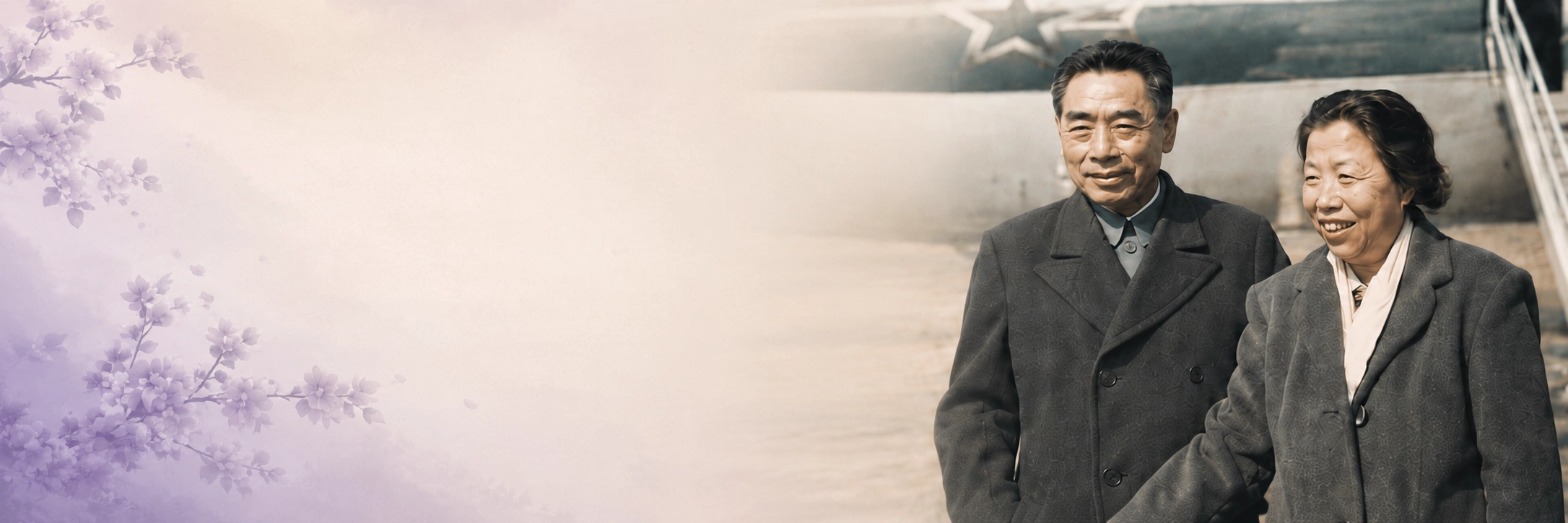
Heart of Xiangyu, Mind of Wenshu
They illuminated the era with ideals and beliefs, influenced the world with character and demeanor,
and unremittingly strived for peace, development, and dignity for all humanity. Their story spans mountains and seas, inspiring the future.
Zhou Enlai(1898—1976)
A diplomat of peace who embraces the world · An outstanding diplomat of extraordinary wisdom
Zhou Enlai pursued peace, justice, and human progress throughout his life. He always thought about the destiny of the nation with a global vision, earning the respect of the international community with his wisdom and courage. With gentle and amiable sentiments and wisdom, he promoted dialogue and cooperation among nations, advocated peaceful coexistence, opposed hegemony and war, and made indelible contributions to world peace and development.
After the founding of New China, Zhou Enlai, as the first Minister of Foreign Affairs, proposed and systematically articulated the Five Principles of Peaceful Coexistence, establishing a new standard of values for international relations.
At the 1955 Bandung Conference, he creatively proposed the principle of "seeking common ground while reserving differences," resolving disagreements and building consensus, driving the conference to historic achievements and opening a new chapter for Asian-African solidarity and development.
Amidst the tense confrontations of the Cold War, he adhered to an independent and peaceful foreign policy, committed to easing international tensions, promoting the peaceful resolution of disputes, and actively supporting the national liberation and development rights of third-world countries, earning him the title of "Great Envoy for Maintaining World Peace."
With diplomatic wisdom of equality, respect, and inclusiveness, he built bridges of understanding between nations, allowing the seeds of peace, trust, and cooperation to take root and flourish around the world.
Great Footprints Promoting World Peace
Proposed Five Principles of Peaceful Coexistence
Premier Zhou Enlai first proposed the Five Principles of Peaceful Coexistence when meeting with the Indian delegation, becoming the cornerstone of China's foreign policy.
Bandung Conference and "Seek Common Ground"
Led the Chinese delegation to attend the Bandung Conference, proposing the principle of "seeking common ground while reserving differences", promoting the conference's complete success.
Promoting International and Peace Efforts
Actively participated in international affairs, making significant contributions to world peace and development.
Promoting China's Return to the UN
Actively carried out diplomatic work, laying the foundation for China to restore its legitimate seat in the United Nations.
He was loyal, candid, pragmatic, and upright throughout his life, dedicating all his energy to the cause of the people.
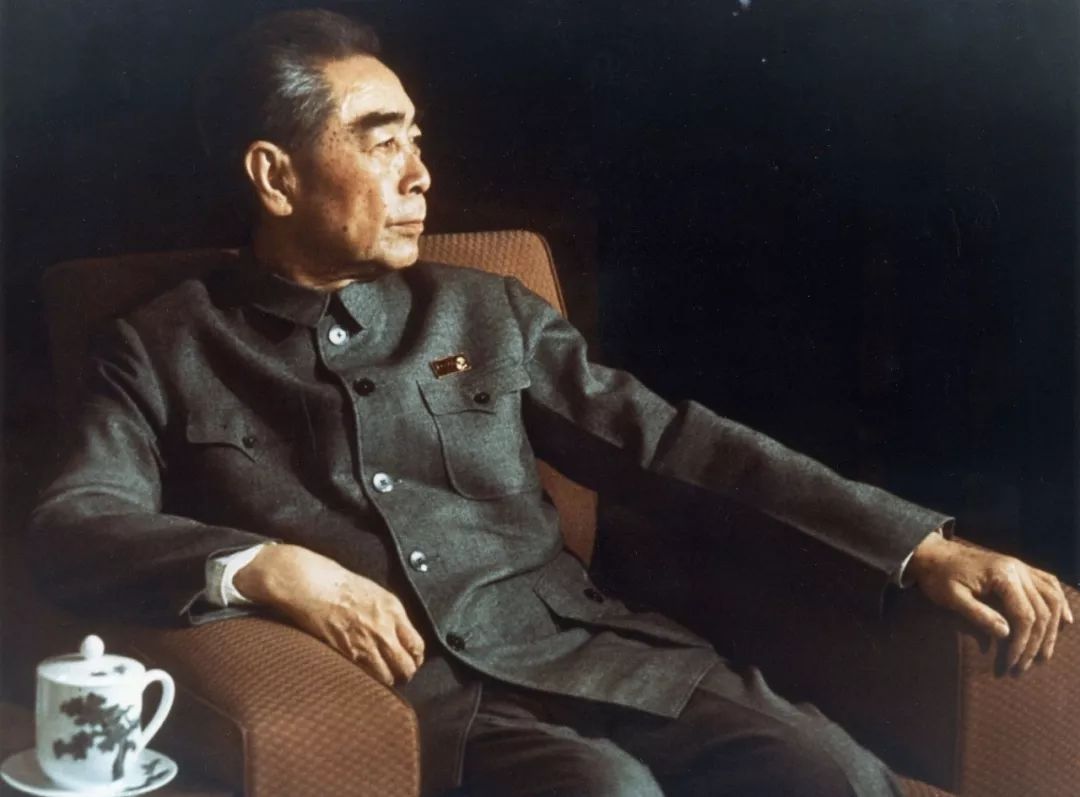
Zhou Enlai in the Hearts of the World's People
In the hearts of the world's people, Zhou Enlai is China's outstanding diplomat, a symbol of peace and friendship. His extraordinary diplomatic wisdom and noble character earned him the respect and love of people worldwide. As former UN Secretary-General Kurt Waldheim said: "Premier Zhou Enlai was one of the greatest diplomats of this century." His name symbolizes peace, friendship, and cooperation in the hearts of the world's people.
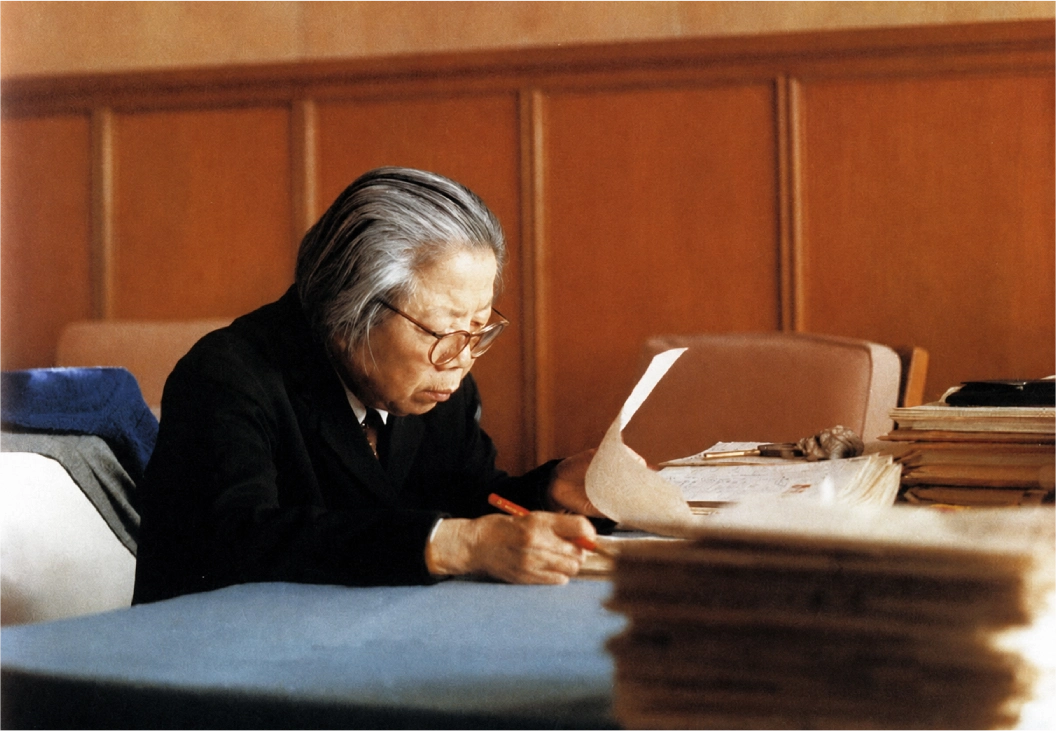
Deng Yingchao(1904—1992)
A pioneer tirelessly devoted to women's liberation · An outstanding representative of the world women's movement
Deng Yingchao devoted her life to women's liberation and world peace. With firm conviction, gentle strength, and a broad mind, she promoted women's struggle for equal rights, advocated women's participation in social construction, and brought the voice of Chinese women to the world.
In her youth, she actively engaged in the women's movement, advocating for women's education, labor rights, and social participation. She always believed that women's liberation was not only about women's own destiny, but also related to the civilized progress of human society.
During the long years of revolution and construction, Deng Yingchao actively promoted the building of women's organizations, cared about women's and children's rights, and advocated for women to play a more important role in family, society, and international affairs.
After stepping onto the international stage, she participated in the affairs of the Women's International Democratic Federation and world peace-related matters, promoting exchanges and cooperation between Chinese women and women worldwide, contributing important strength to the world women's movement and the cause of international peace.
With her resilient and steadfast character, she closely linked women's liberation, world peace, and people's friendship, becoming a respected outstanding representative in the world women's movement.
Footprints Shining in the World Women's Movement
Devoted to Women's Liberation Movement
Joined the Chinese Communist Party and became a pioneer of China's women's movement.
Joined the Anti-Japanese National Salvation Movement
Actively participated in the anti-Japanese national salvation movement, contributing to the cause of national liberation.
Pioneering Women's Liberation and Diplomacy
After the founding of New China, dedicated to women's liberation and children's welfare, while actively participating in diplomatic activities.
Elected Chairperson of the CPPCC National Committee
She was the first and so far only woman in the history of the People's Republic of China to hold a national-level leadership position.
Deng Yingchao in the Hearts of the World's Women
Deng Yingchao was praised by the international community as "a model for the world women's movement". Her life is a microcosm of Chinese women's struggle for liberation and progress. Her famous quote "Women's liberation is an important part of human liberation" inspires countless women to fight for gender equality. She was a true messenger of peace and a pioneer of the women's movement.